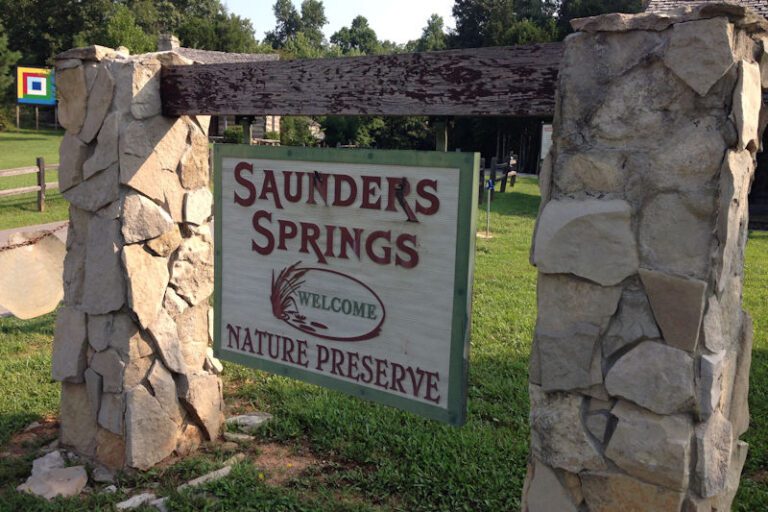
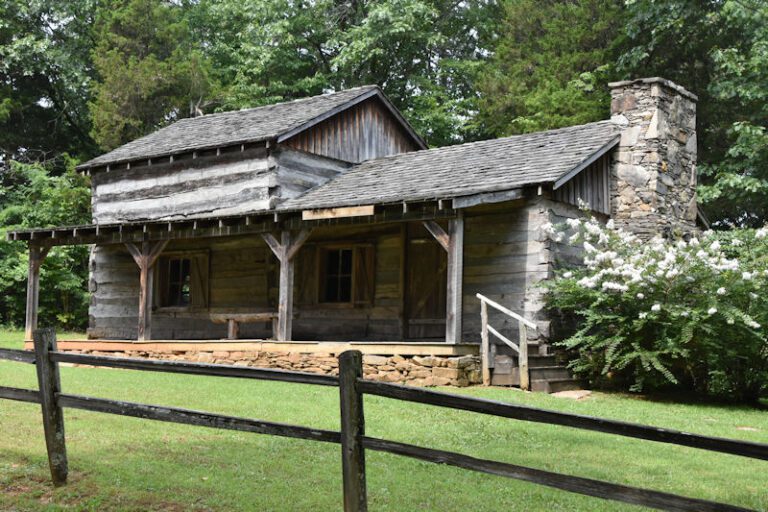
Saunders Springs Nature Preserve is a heavily wooded natural area located on steep terrain with interesting historic features. The preserve provides opportunities for nature study, hiking, picnicing, and historic interpretation.
Saunders Springs Nature Preserve is located on the edge of the Karst Plateau in the Highland Rim physiographic region of Kentucky. The area is characterized by many sinkholes, caves and springs which drain a network of underground caverns.
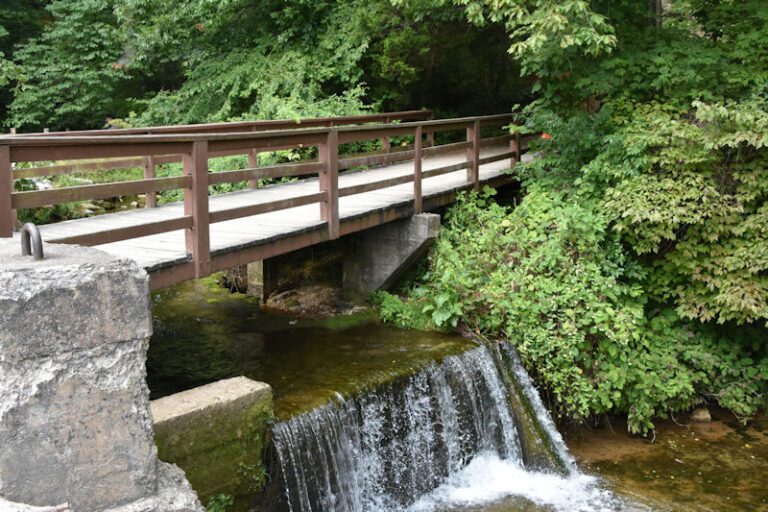
A handicapped-accessible trail winds through mature hardwood forest past cascading waterfalls as it leads from a parking area at the old water plant to the lake. Other hiking trails wind through the dense forest around the lake and from a parking area at the top of the hill to an overlook and on to the lake.
A handicapped-accessible picnic area is located at the top of the hill and many trees are marked for identification along the trails.
The main spring on the property flows from the mouth of a cave located at the base of a cliff and cascades down a rocky streambed as it works its way downhill. Large foundation stones from a mill operated on the site during the 1800's can still be found along the stream.
The spring was a popular destination for students from the nearby Saunders Spring School who went to the cave for recreation and as a reward for good behavior.
The school, originally established as an independent school in 1868, became affiliated with the Hardin County School District No. 72 in 1908 when the county assumed responsibility for one-room schools. It was named after the historic Saunders Spring, which was named after the Saunders family, the original landowners.
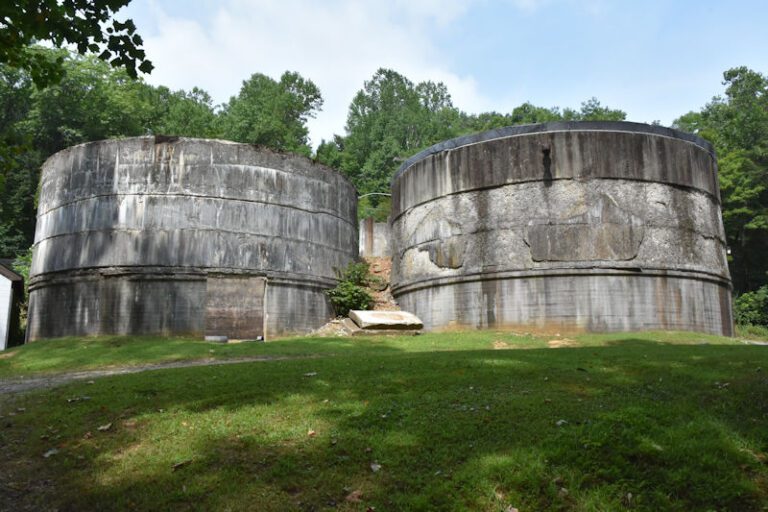
The Federal Government purchased Saunders Springs from Clint Tarpley around 1920 to replace Fort Knox's original water supply at Otter Creek because the wooden transmission line from the Otter Creek plant had deteriorated. The new water supply plant was completed in 1924 with the construction of two dams forming an 80 million gallon reservoir and a smaller holding area near the water plant.
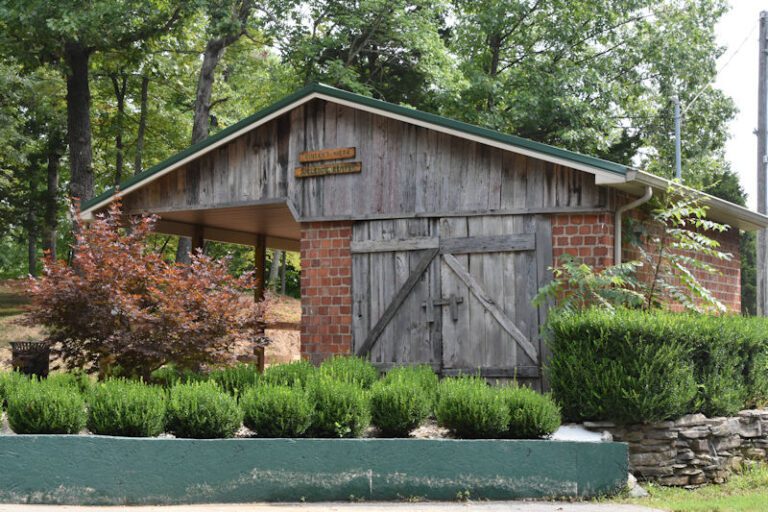
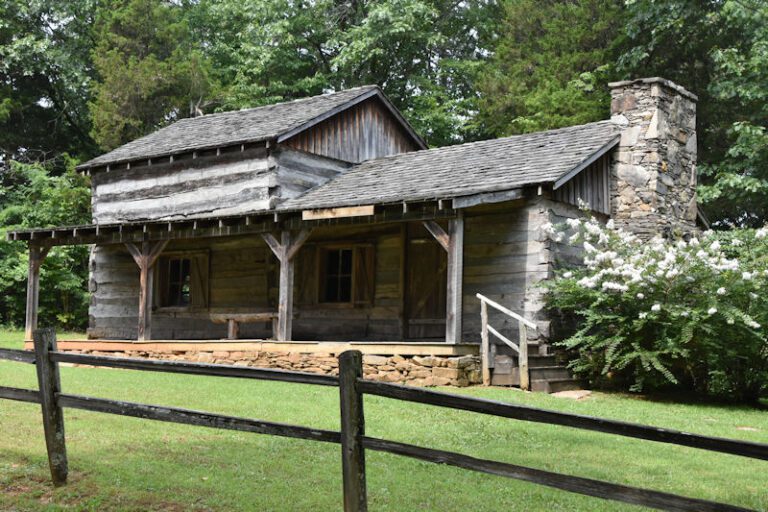
There was a dwelling for the operator at the plant and a cable railway that carried the operator and chemicals up and down the steep hill. The garage where the operator parked his car still remains at the top of the hill, and the small residence, operations building, and storage tank still remain at the bottom of the hill.
Fort Knox discontinued using Saunders Springs as a water supply in the late 1930's when they developed more extensive water resources. The City of Radcliff purchased the land and put a new water supply plant into operation in 1955. The springs supplied drinking water for Radcliff from 1955 to 1968 when a well source was developed along the Ohio River and a new plant was built on top of Muldraugh Hill to meet the growing demands of the community.
Saunders Springs continued to be used as an auxiliary water supply until about 1986 when the Pirtle Springs supply was developed at the Head of Rough River.
Saunders Springs is situated in a Mixed Hardwood Forest with a great diversity of species dominated by several different varieties of oaks. There are five different types of plant communities with 30 species of trees and 14 species of shrub understory plants.
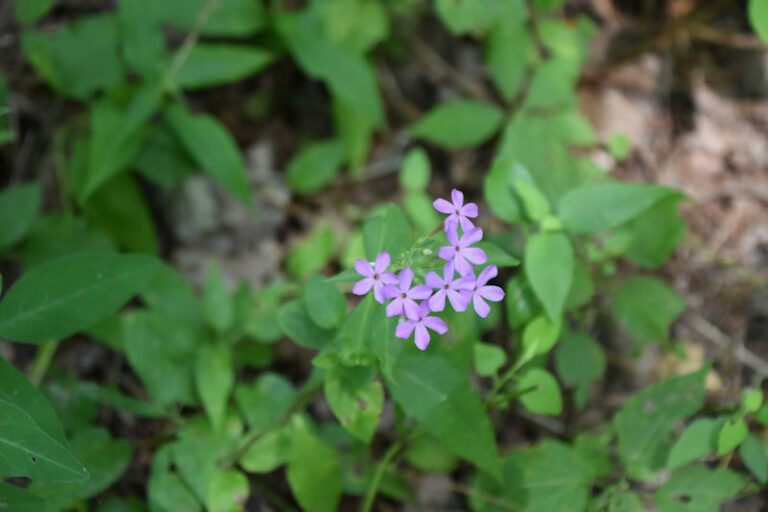
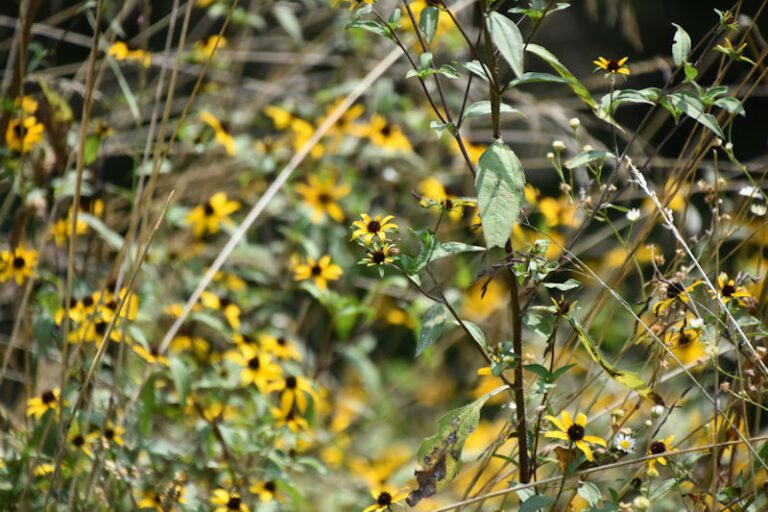
More than 116 species of ferns, wildflowers, native grasses, vines and mosses cover the ground and over 34 species of animals, including: terrestrial vertebrates, snails, and aquatic macroinvertebates inhabit the forest.
- Saunders Springs Nature Preserve -
The life history of Saunders Springs has greatly influenced the forest ecology. Openings created for roadways, building sites, and the lake have given room for plants such as eastern red cedar and smooth sumac. These openings have added to the overall diversity of species and richness of the site.
The upper elevations at Saunders Springs have very well drained soils. These soils are relatively thin and at some locations are very thin. These dry conditions have favored and produces a mixed oak stand. In the lower and moister elevations oaks continue to dominate but many more species such as sugar maple, American beech, tulip poplar and sycamore enter the mix.